
No products in the basket.
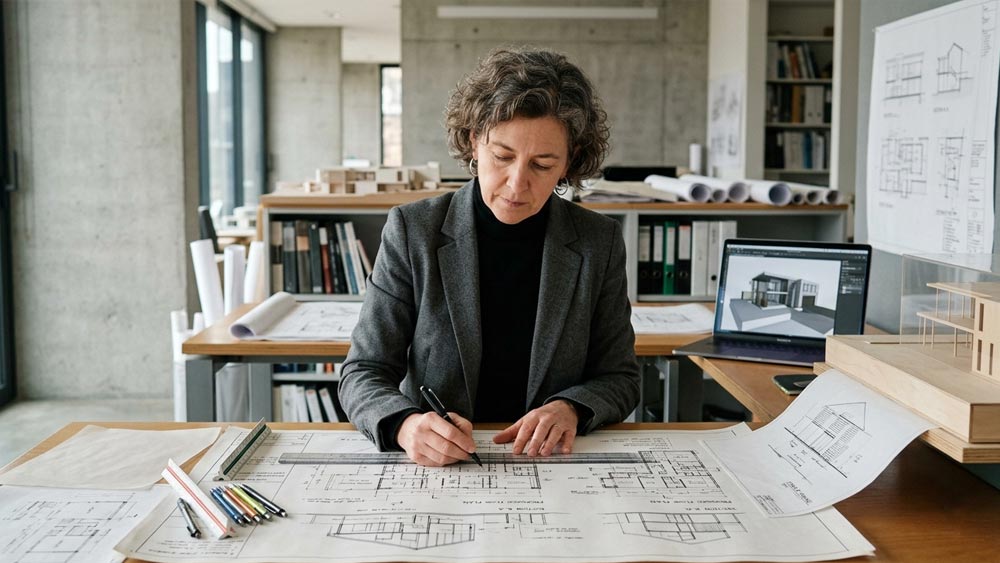
Since the introduction of the Building Safety Act 2022, much of the industry’s attention has focused on Principal Contractors, site management and building control.
However, one of the biggest changes affects something much earlier in the construction process – the design stage.
Architects, architectural technologists, structural engineers, M&E designers, fire engineers and other design professionals now play an even greater role in ensuring buildings are designed to be safe throughout their entire lifecycle.
The legislation has moved responsibility upstream. Building safety is no longer something that can simply be checked on site -it must be considered from the earliest concept drawings through to occupation.
Many of the issues identified following the Grenfell Tower tragedy were not solely construction defects. They involved:
The Building Safety Act aims to address these issues by improving competence, accountability and collaboration throughout the entire project lifecycle.
Under the Building Safety Act and supporting regulations, designers must be able to demonstrate competence for the work they undertake.This includes having the:
to carry out their role safely.Organisations must also demonstrate organisational capability by ensuring they have appropriate systems, procedures and resources to support competent delivery.Competence is no longer simply about professional qualifications or years of experience. It is about being able to evidence that individuals remain competent and that organisations continually manage and maintain competence.
One area that continues to cause confusion is the difference between the two Principal Designer roles.
The Principal Designer under the Construction (Design and Management) Regulations manages health and safety risks during the design and planning of construction work.
The Building Safety Act introduced a separate Principal Designer role under the Building Regulations.
This role focuses on ensuring that designs comply with the Building Regulations throughout the design phase.
Although one organisation may undertake both roles, they are legally separate appointments with different duties and responsibilities.Understanding this distinction is becoming increasingly important for architects and design practices.
The Building Safety Regulator has placed competence at the centre of the new regulatory framework.Clients are increasingly asking designers to demonstrate:
This trend is likely to continue as dutyholders seek assurance that everyone involved in a project is competent to fulfil their responsibilities.
Although many headlines focus on Higher-Risk Buildings (HRBs), the wider principles of the Building Safety Act are influencing projects across the built environment.The industry is moving towards:
Many clients are already applying these expectations across all projects, regardless of building type.
At Workforce Skills Support, we support organisations across the built environment in developing workforce competence to meet evolving legislation and industry expectations.Our programmes include:
We work with organisations to ensure their people understand not only what the legislation says, but how it applies in practice.
Final Thoughts
The Building Safety Act represents a significant cultural shift for the construction industry.
For architects and designers, competence is no longer just about producing compliant drawings – it is about understanding how design decisions affect the safety, compliance and performance of buildings throughout their entire lifecycle.
As clients, regulators and contractors increasingly seek evidence of competence, investing in Building Safety Act knowledge is becoming an essential part of professional practice.
If you would like to find out more about how we can help, please get in touch.