
No products in the basket.
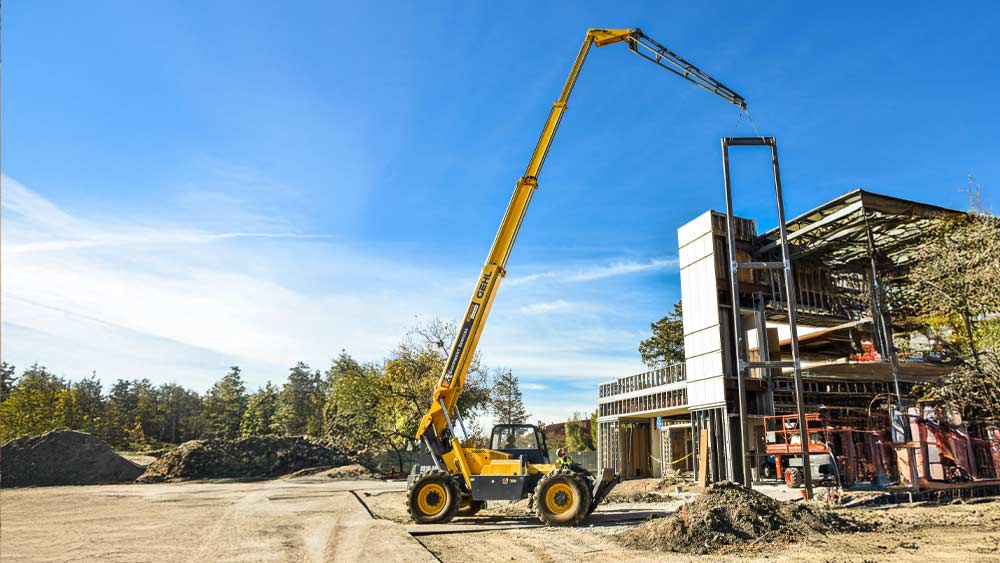
Whilst cranes remain a common form of plant used in lifting operations, many construction, utilities, highways and civil engineering projects conduct lifting operations using:
Regardless of the machine being used, the legal responsibilities remain the same.
Every lifting operation must be:
This means lifting competence is not solely about the machine operator. It often involves a team of people, each with specific responsibilities.
The Lifting Team
A safe lifting operation typically consists of:
The Plant or Crane Operator (NVQ Level 2)
The operator is responsible for safely operating the equipment being used within its capabilities for the lift.
This may be:
Whilst the operator controls the machine, they are only one part of the lifting operation.
The Slinger Signaller (NVQ Level 2)
The Slinger Signaller is often the person closest to the load and is responsible for:
Many people associate this role solely with crane operations. However, the same principles apply when lifting with excavators and telehandlers.
For example:
An excavator operator lifting drainage rings may rely on a Slinger Signaller to attach the load and direct movements.
A telehandler lifting roof trusses may require a Slinger Signaller to maintain communication where visibility is restricted.
In many situations, the Slinger Signaller becomes the critical link between the load and the operator.
The Lift Supervisor (NVQ Level 4)
The Lift Supervisor oversees the lifting operation.
Their responsibilities include:
Whether the lift involves:
The Lift Supervisor’s responsibility remains the same: ensuring the lift is carried out safely and in accordance with the planned method.
The Appointed Person / Lift Planner (NVQ Level 5)
The Appointed Person sits at the top of the lifting operation structure.
Their role is to plan the lift before work starts.
Responsibilities include:
Importantly, this role is not limited to crane lifts.
Where excavators or telehandlers are used for lifting operations, the Appointed Person must still ensure that:
Why Excavator and Telehandler Lifting Competence Matters
Many employers focus on whether an operator has a plant card but overlook the wider lifting operation.
Holding an excavator or telehandler operator card demonstrates competence to operate the machine.
It does not necessarily demonstrate competence to:
As clients, Principal Contractors and legislative compliance increasingly expect evidence of competence, employers are looking beyond operator cards and towards recognised occupational qualifications.
Creating a Complete Competence Framework
For employers regularly undertaking lifting operations, a complete competence structure may include:
| Role | Typical Qualification |
| Excavator or Telehandler Operator | Plant Competence / Plant NVQ |
| Slinger Signaller | Level 2 NVQ Controlling Lifting Operations |
| Lift Supervisor | Level 4 NVQ Supervising Lifting Operations |
| Appointed Person | Level 5 NVQ Planning Lifting Operations |
Together these roles provide evidence that lifting operations are:
Many employers find they have experienced operators carrying out lifting activities daily but limited formal competence within the wider lifting team.
By developing qualified Slinger Signallers, Lift Supervisors and Appointed Persons alongside competent plant operators, businesses can create a structured lifting operations framework that supports safety, compliance and operational efficiency.
This not only helps demonstrate competence to clients, Principal Contractors and auditors but also reduces reliance on external resources and creates clear progression opportunities for existing employees.
Whether your lifting operations involve cranes, excavators, telehandlers or a combination of lifting equipment, having the right people in the right roles is essential.
If you’d like to review your current lifting operations competence framework, Workforce Skills Support can help identify suitable NVQ pathways for operators, Slinger Signallers, Lift Supervisors and Appointed Persons, helping you build a competent lifting team from the ground up.