
No products in the basket.
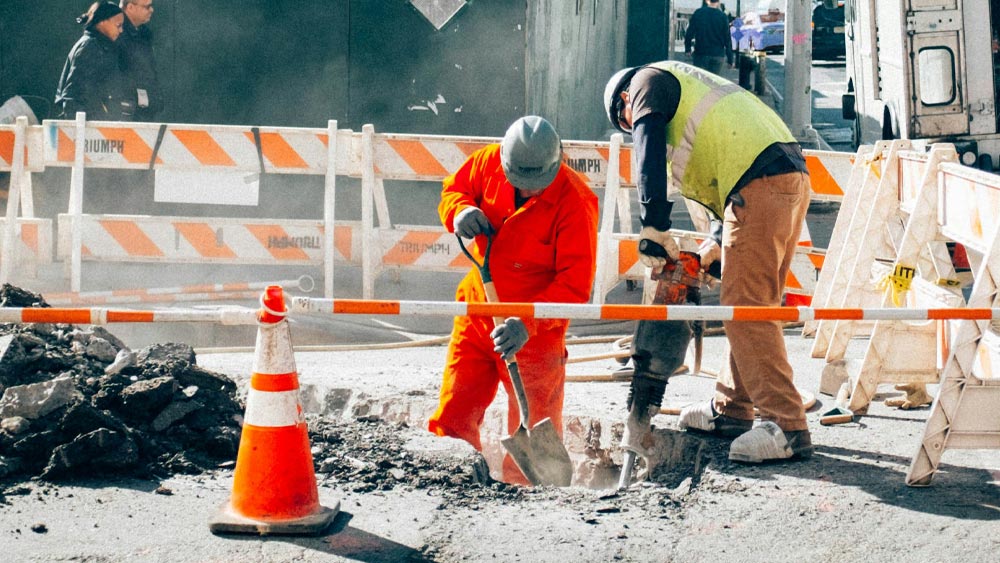
Every successful construction project starts with safe planning. Before any excavation takes place, understanding what lies beneath the surface is just as important as the work above it. Hidden underground services—including electricity cables, gas mains, water pipes, drainage systems, and telecommunications networks—present significant risks if they are not properly identified and managed.
At Workforce Skills Support safety is at the heart of everything we do. We follow the principles set out in the Health and Safety Executive’s HSG47 – Avoiding Danger from Underground Services through our training provision, to ensure every excavation can be carried out using industry best practice to protect your workforce, your organisation, the public, and critical infrastructure.
Excavation without proper utility avoidance can lead to serious consequences. Striking an underground electricity cable can result in severe injury or even fatality. Damaging a gas main may cause fires or explosions, while rupturing water mains or telecommunications networks can lead to flooding, costly repairs, and major disruption to businesses and local communities.
The financial impact of a utility strike can be significant, but the human cost is far greater. That is why careful planning and safe excavation procedures are essential on every project, regardless of size.
Our approach to utility avoidance follows the key principles of HSG47 and forms part of our wider health and safety management system and our comprehensive training delivery will cover the requirements of HSG47 including practical training and assessment.
Before work begins, it is important that you obtain and review the latest utility records from relevant asset owners. Your project teams must carefully assess the proposed excavation area, identify potential risks and incorporating appropriate control measures into site-specific Risk Assessments and Method Statements (RAMS).
Our comprehensive training provides delegates with a clear understanding of the planning requirements, risk controls, and safe working practices required to comply with HSG47: Avoiding Danger from Underground Services.
The course guides learners through the essential steps needed before excavation begins, including effective planning, obtaining and interpreting utility information, identifying potential hazards, selecting appropriate detection methods, and implementing safe systems of work to reduce the risk of underground service strikes.
Utility drawings provide valuable information but only indicate the approximate location of buried services. Our expert trainers use industry-approved locating equipment, including Cable Avoidance Tools (CAT) and Signal Generators (Genny), to instruct individuals detect and verify underground services before excavation begins.
Detected utilities are required to be clearly marked on site to ensure everyone involved understands where hazards exist.
Our expert trainers deliver a combination of classroom-based theory and practical hands-on training to develop the skills required for effective utility avoidance and safe excavation planning.
Delegates will learn how to apply recognised survey techniques, interpret and use utility plans, and carry out detailed visual inspections of work areas before excavation begins. The training also covers the correct procedures for pre-use, maintenance, and post-use checks of Cable Avoidance Tools (CAT) and Signal Generators (Genny) to ensure equipment is operated safely and effectively.
Practical sessions include the correct application of all detection modes, including induction and direct connection, along with the use of specialist signal generator accessories such as Flexi-Trace and signal clamps. Delegates will also gain practical experience in accurately locating, identifying, and marking underground services using industry-approved utility marking procedures.
By combining knowledge-based learning with practical application, our courses ensure delegates develop the confidence and competence required to safely locate buried services and support compliance with HSG47 and current UK Legislation.
Where underground services are identified, excavation is carried out using safe digging techniques in accordance with HSG47 guidance. This includes hand digging or other approved methods within the tolerance zone of known utilities to expose services safely and minimise the risk of damage.
Workforce competency is essential for utility avoidance because excavation near buried services carries significant risks, including serious injury, fatalities, service disruption, environmental damage, and costly project delays. Ensuring workers are properly trained and competent helps prevent damage to underground utilities and supports compliance with HSE safety guidance and legislation, particularly HSG47 and Construction (Design and Management) Regulation – Regulation 25, steps must be taken to avoid damage to underground services.
Through successfully completing one of our training courses, each delegate receives a certificate of competence, providing evidence that they have the skills, knowledge, and understanding required to plan, survey, and locate buried services safely before excavation begins.
These qualifications help organisations demonstrate workforce competence, support compliance with current UK legislation and industry best practice, and reduce the risks associated with underground utility strikes. They also provide assurance to clients, principal contractors, and regulators that personnel have received recognised training appropriate to their role.
We offer a comprehensive range of nationally recognised qualifications, including Ofqual-regulated, CITB-accredited, and EUSR-approved courses, including:
By undertaking our approved and accredited training on best practice, we provide our clients with confidence that excavation work can be carried out safely, professionally, and efficiently.
Our approach helps to:
If you would like to talk to us about excavation courses and qualifications, please get in touch with our team today!