
No products in the basket.
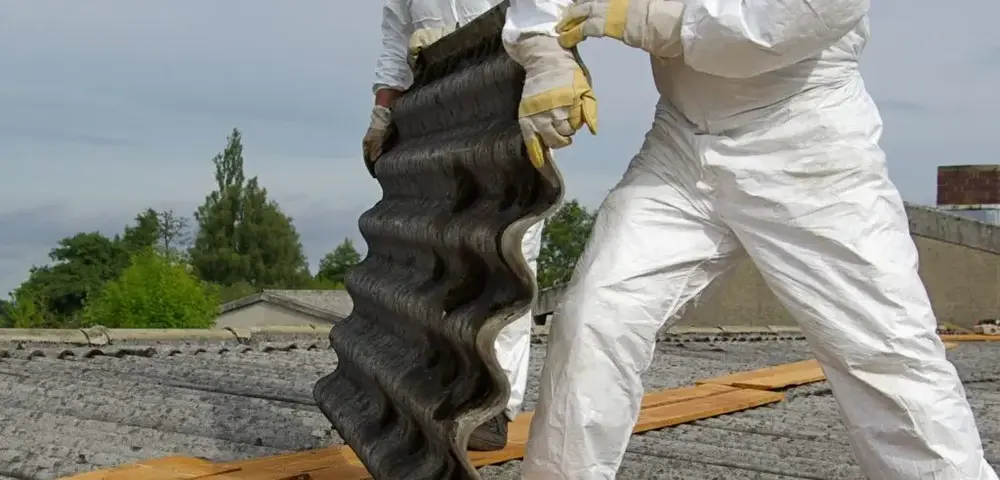
The HSE August update highlights important information on Asbestos Awareness training and, crucially, when awareness alone is not enough.
Under the Control of Asbestos Regulations 2012, employers must provide information, instruction, and training to workers who may encounter asbestos.
At a minimum, this means Asbestos Awareness training. According to the HSE, asbestos awareness helps workers and supervisors:
However, the HSE is clear: awareness training will not prepare workers, or self-employed contractors, to carry out work with asbestos-containing materials (ACMs).
For many trades, asbestos awareness alone is not enough. The HSE guidance highlights that workers who plan to carry out work that will disturb asbestos require additional training.
This applies to a wide range of occupations, including:
For these trades, the appropriate level of competence is usually Non-Licensed (Cat B) Asbestos Training.
While awareness training explains the “what” and “why” of asbestos, Cat B training covers the “how”:
Employers should take a moment to self-check:
If the answer is yes to the first two questions, or no to the third, then awareness training alone is not enough.
The HSE recognises the use of e-learning as a viable delivery method for asbestos awareness training, provided it satisfies the requirements of Regulation 10 of the Control of Asbestos Regulations 2012 and the supporting Approved Code of Practice L143 ‘Managing and working with asbestos’. However, it’s important to note that e-learning is not sufficient for licensable work with asbestos.
Workers who plan to carry out work that will disturb asbestos require a higher level of information, instruction, and training, in addition to asbestos awareness. This should take account of whether the work is non-licensed; notifiable non-licensed work (NNLW); or licensed work and should be job-specific.
Here’s the good news: meeting compliance and building competence doesn’t have to mean increasing your training budget.
Through carefully planned CITB grant-eligible variations, we can structure routes that remain cost-neutral when all grants are claimed back in just 1 day of training.
That means you get:
At Workforce Skills Support, we’ll design the right progression pathway for your team — ensuring you stay compliant, competitive, and cost-efficient.
The HSE’s August update reinforces a crucial message: asbestos awareness training is the minimum requirement, but in reality, many trades require more than awareness.
With our Level 2 Award in Asbestos Awareness and cost-neutral progression to Cat B training, you don’t just stay compliant — you give your workforce the competence they need to work safely and give your business a powerful advantage.
Speak with a member of our team today for more information or to book your asbestos training – 01623 287830
Asbestos awareness training is the legal minimum under the Control of Asbestos Regulations 2012. It teaches workers to recognise asbestos, understand the risks, and know what to do if it is accidentally disturbed.
No. Workers who may knowingly disturb asbestos-containing materials (ACMs) need higher-level Non-Licensed (Cat B) training that covers safe work methods, PPE use, waste handling, emergency procedures, and legal obligations.
Yes, e-learning is suitable for awareness training, but it is not sufficient for workers who knowingly disturb asbestos-containing materials.
Employees can start with the Level 2 Award in Asbestos Awareness and then progress to Non-Licensed Cat B training. This progression can be cost-neutral through CITB grant-eligible routes.
Non-licensed (Cat B) training ensures workforce competence, reduces risk of incidents, demonstrates compliance to regulators and clients, and builds a safer work environment.
HSE guidance states “Information, instruction and training for asbestos awareness is intended to give workers and supervisors the information they need to avoid work that may disturb asbestos during any normal work which could disturb the fabric of a building, or other item which might contain asbestos. It will not prepare workers or self-employed contractors to carry out work with asbestos-containing materials. If a worker plans to carry out work that will disturb ACMs, further information, instruction, and training will be needed.
Examples of those affected are listed below.
HSE guidance
If materials have been tested for Asbestos by an analyst – doesn’t that remove the need for Cat B?
Testing helps you:
Testing does not:
If the result confirms asbestos cement, textured coatings, floor tiles, etc., and the task involves disturbance, then Cat B training is the correct level.
If workers are expected to stop and walk away → Awareness
If workers are expected to continue and manage the risk → Category B
HSE expects:
Relying on awareness training where dust-creating work is planned is one of the most common enforcement failings.
CITB Short Qualification Grant – Find out how you can claim funding support for approved short qualifications to reduce training costs.
Statement – Clarification on course duration for the Level 2 Award in Asbestos Awareness – Clear guidance on course delivery timescales, funding, and why this regulated qualification stands above CPD alternatives.
ARCA AMI Skills Card – Industry-recognised card for asbestos professionals, proving competence and access to asbestos removal sites.
ACAD Skills Card – The official asbestos card from ACAD, supporting competence recognition and site access for asbestos workers.