
No products in the basket.
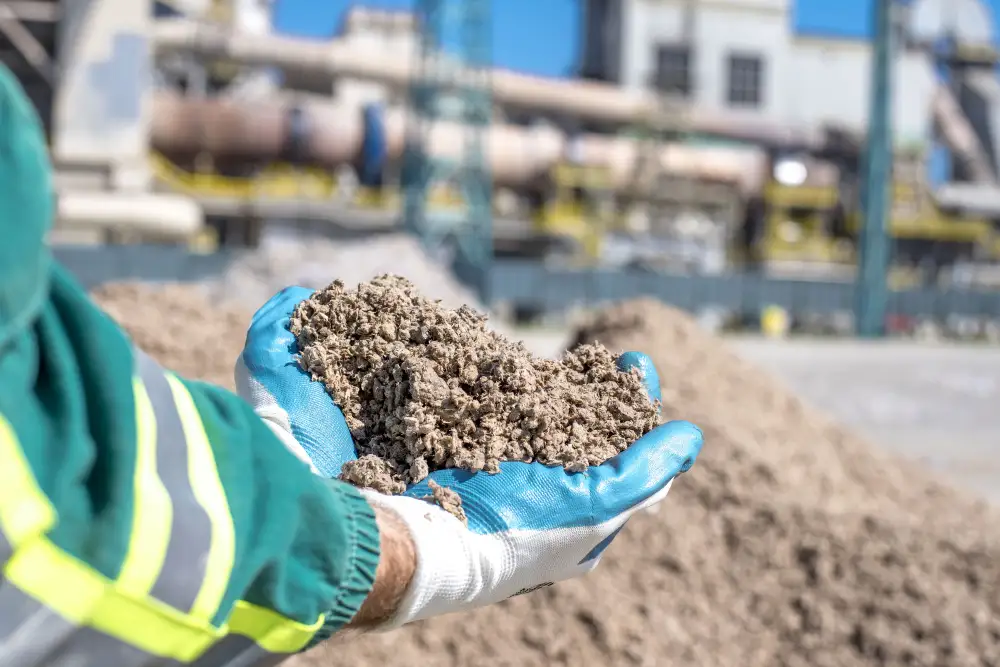
Construction materials testing plays a vital role throughout the construction process, supporting safe design decisions, regulatory compliance, and long-term performance of structures. From early ground investigation to final material grading, accurate testing provides the evidence needed to ensure materials are suitable for their intended use.
As projects increase in complexity and scrutiny, demand is growing for skilled professionals who understand both on-site and laboratory-based testing methods.
Site investigation is one of the most critical stages of any construction project. Materials are tested both on site and in laboratory environments to determine ground conditions and inform foundation design.
Testing typically includes:
These methods help establish the structural makeup of the ground, supporting decisions around foundations, piling solutions, and overall design suitability.
Non-intrusive testing is commonly used to confirm the competence of existing ground conditions without disturbing the material. This is particularly important when preparing surfaces for:
Typical methods include:
These techniques provide assurance that materials can safely bear weight before works proceed.
Soil testing is used to assess both environmental and engineering properties of materials. This may include:
Testing can take place during site investigation or as part of soil improvement processes, such as cement stabilisation. On-site testers are commonly used to provide real-time data, supporting immediate decision-making and quality control.
Material grading is essential when working with quarried or recycled materials. Testing ensures materials meet specification requirements and are free from contamination.
This process supports:
Grading is often carried out on site, particularly within recycling, quarrying, and demolition operations.
Construction materials testing underpins a wide range of specialist roles across the industry, including:
As demand for verified competence grows, formal qualifications are increasingly important for both career progression and client confidence.
To support this growing skills requirement, we now offer the ProQual Level 3 and Level 5 Diplomas in Construction Materials Technology.
Both qualifications provide nationally recognised pathways for those working across geotechnical, materials testing, and civil engineering environments.
These qualifications are designed for professionals working in materials testing, geotechnical, earthworks, recycling, quarrying, demolition, and soil stabilisation roles who need to demonstrate verified technical competence.
If your work involves testing, sampling, grading, or assessing construction materials, these diplomas provide a recognised route to prove your capability.
Level 3 Diploma – ideal for technicians, operatives, or those developing hands-on competence in site and laboratory testing.
Level 5 Diploma – designed for experienced professionals, supervisors, or technical leads who require advanced knowledge, analysis, and decision-making capability.
If you’re unsure, we’ll help you choose the right level based on your role and experience.
These qualifications help you:
– Demonstrate recognised technical competence
– Meet client, contractor, and audit expectations
– Improve career progression and employability
– Strengthen quality assurance and compliance
– Reduce project risk through better-informed testing decisions
For employers, this means a more capable workforce and greater client confidence.
Yes. The content covers both on-site testing and laboratory-based analysis, making it suitable for a wide range of operational and technical environments across construction and civil engineering.
Yes. Both diplomas are Ofqual-regulated and awarded by ProQual, meaning they are nationally recognised and valued across the construction and infrastructure sectors.
Yes. These qualifications are designed to fit around employment. Assessment is evidence-based, allowing learners to demonstrate competence through real workplace activities wherever possible.
This makes them ideal for working professionals who cannot step away from site or operational roles.
Experience is recommended:
– Level 3 suits those already working or entering materials testing roles.
– Level 5 is aimed at professionals with existing experience who are ready to progress into higher-responsibility technical roles.
We’ll review experience during enrolment to ensure the qualification is the right fit.
These qualifications are particularly valuable for:
– Geotechnical testing contractors
– Quarries and stone recycling operations
– Demolition and earthworks contractors
– Soil stabilisation specialists
– Geotechnical laboratories
Any organisation responsible for material testing, ground conditions, or quality assurance will benefit.
Enrolment is available now, and learners can begin once registration is complete. We offer flexible start dates to suit both individuals and employers.
The next step is simple: Get in touch to discuss the Level 3 or Level 5 Diploma
We’ll help you choose the right pathway and explain delivery, assessment, and timescales clearly.